
How Automated Trading is Transforming Financial Markets
Crypto Market Security and Ethics
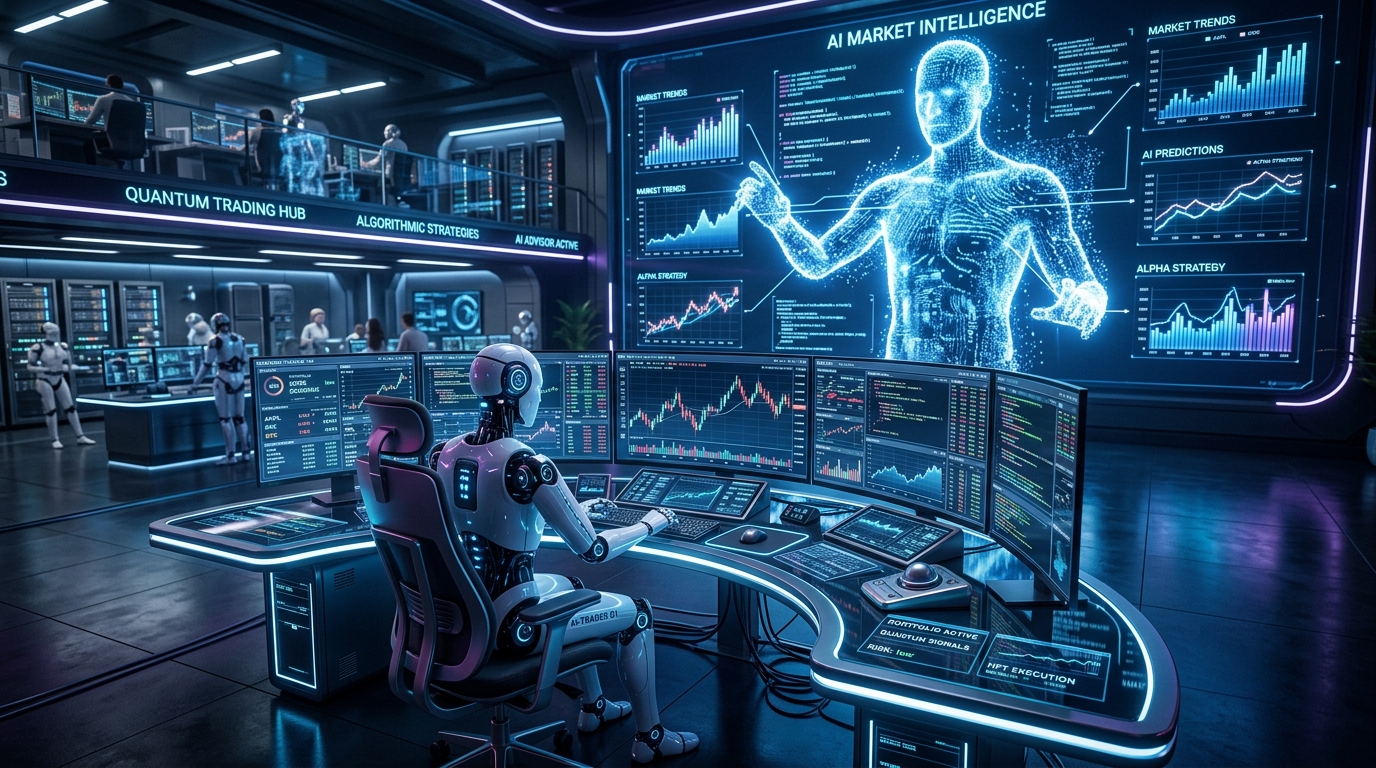
वित्तीय बाजारों में स्वचालन व्यापार करने के तरीके को नाटकीय रूप से बदल रहा है। एल्गोरिदमिक ट्रेडिंग की जड़ों से लेकर जटिल मशीन-लर्निंग मॉडलों के विकास तक, स्वचालित ट्रेडिंग सिस्टम अब संस्थागत और खुदरा व्यापारियों दोनों के लिए आवश्यक हो गए हैं। इस लेख में, हम देखेंगे कि स्वचालित ट्रेडिंग वित्तीय बाजारों को कैसे बदल रही है, इसके प्रमुख प्रौद्योगिकियाँ, रणनीतियाँ, लाभ, चुनौतियाँ और इस क्रांति के चारों ओर नैतिक विचार क्या हैं।
स्वचालित ट्रेडिंग का परिचय
स्वचालित ट्रेडिंग का तात्पर्य कंप्यूटर सिस्टम के उपयोग से है जो पूर्व-प्रोग्राम किए गए एल्गोरिदम के आधार पर मानव हस्तक्षेप के बिना व्यापार निष्पादित करते हैं। ये सिस्टम वास्तविक समय में बाजार डेटा का विश्लेषण करते हैं और ऐसी गति और सटीकता से निर्णय लेते हैं जिसे मानव व्यापारी मेल नहीं खा सकते। स्वचालित ट्रेडिंग का इतिहास 1970 के दशक के अंत में सरल नियम-आधारित सिस्टम से शुरू हुआ है, जो अब कृत्रिम बुद्धिमत्ता (AI) और मशीन लर्निंग को शामिल करते हुए जटिल प्लेटफार्मों में विकसित हो चुका है।
स्वचालित ट्रेडिंग में प्रौद्योगिकी की भूमिका
The evolution of automated trading is deeply rooted in technological advancements. With the integration of machine learning and artificial intelligence, trading platforms are now capable of evolving and enhancing their performance by recognizing trends and refining tactics. High-frequency trading (HFT) has transformed the marketplace by allowing the execution of numerous trades within microseconds, capitalizing on tiny price variations. The advent of cloud technology, extensive data analysis, and enhanced network capabilities has empowered traders to utilize these sophisticated algorithms worldwide, engaging with financial markets around the clock with reduced latency.
Understanding the Mechanisms of Automated Trading Systems
Automated trading systems operate through algorithms—comprehensive sets of directives crafted in various programming languages. These systems can vary from basic rule-based approaches, such as initiating a purchase when a stock hits a specific threshold, to advanced AI-driven frameworks that analyze past data to forecast future price shifts.
Categories of Automated Trading Systems Include:
- Rule-Based Trading Systems: Facilitate trade executions according to explicit, pre-established conditions.
- AI-Driven Trading Solutions: Evolve with market trends by harnessing extensive data analytics for ongoing improvement.
- Integrated Trading Systems: Merge traditional trading tactics with AI insights for superior market outcomes.
- blog_three_question_4.subtitle_4: blog_three_question_4.desc_4
Varieties of Automated Trading Approaches
Every approach utilizes advanced algorithms, necessitating meticulous calibration and risk assessment.
Automated trading employs various strategies tailored to market dynamics and individual objectives. Some widely recognized methods are:
- Arbitrage Techniques: These capitalize on the discrepancies in pricing between different marketplaces or exchanges.
- Momentum Trading Approaches: These strategies aim to harness market trends, purchasing during price surges and liquidating during declines.
- Reversion to Mean Strategies: Leverage the expectation that asset prices will return to their average levels following notable fluctuations.
- Strategies for Market Making: Gain from the difference between buying and selling prices by executing simultaneous orders in both directions.
Advantages of Automated Trading Systems
Automated trading systems provide numerous benefits compared to traditional trading methods. The primary advantages include:
Enhanced efficiency, reduced emotional influence, and consistent trading strategies are just a few perks.
- गति और दक्षता: कंप्यूटर मानवों की तुलना में व्यापार को तेजी से निष्पादित कर सकते हैं, अवसरों का लाभ उठाते हुए जो जल्दी खत्म हो जाते हैं।
- मानव त्रुटियों में कमी: स्वचालित प्रणालियाँ भावनात्मक निर्णय लेने और संज्ञानात्मक पूर्वाग्रहों को समाप्त करती हैं, जिससे अधिक स्थिर परिणाम मिलते हैं।
- 24/7 बाजार पहुंच: ये प्रणालियाँ निरंतर कार्य कर सकती हैं, यह सुनिश्चित करते हुए कि व्यापारी कभी भी बाजार के अवसर को न चूकें।
- पुनः परीक्षण और अनुकूलन: व्यापारी अपनी रणनीतियों को लागू करने से पहले ऐतिहासिक डेटा का उपयोग करके उनका परीक्षण कर सकते हैं, प्रदर्शन को अनुकूलित करते हुए जोखिम को कम करना।
स्वचालित व्यापार के जोखिम और चुनौतियाँ
**Unlocking Crypto Trading Potential with Handelsfjord** In the fast-evolving world of cryptocurrency, trading offers a unique opportunity to capitalize on market fluctuations. With Handelsfjord, you can easily navigate this digital landscape. Our platform provides advanced tools and real-time data, empowering traders to make informed decisions. Whether you're a seasoned trader or just starting, our user-friendly interface simplifies the trading process. Moreover, with robust security measures in place, your investments are safeguarded against potential threats. Enjoy the flexibility of trading anytime, anywhere, and take advantage of the 24/7 market dynamics. Join the growing community of crypto enthusiasts in India and experience the benefits of trading with Handelsfjord today!
हालांकि स्वचालित व्यापार के कई लाभ हैं, यह जोखिमों से मुक्त नहीं है। मुख्य चुनौतियाँ शामिल हैं:
- बाजार में अस्थिरता के जोखिम: Automated trading systems can amplify market fluctuations, particularly during unexpected downturns or sudden sell-offs, where swift and massive liquidations may spiral beyond control.
- Sudden Market Drops: For instance, in 2010, a trading algorithm triggered a swift decline in the stock market, erasing billions of rupees in mere moments.
- System Glitches: Programming errors, system failures, or technical glitches can lead to considerable financial setbacks for traders.
- blog_three_question_7.subtitle_4: blog_three_question_7.desc_4
The Influence of Automated Trading on Indian Financial Markets
स्वचालित व्यापार ने बाजार की तरलता और दक्षता में महत्वपूर्ण वृद्धि की है। तेजी से और अधिक बार व्यापार करने की क्षमता के माध्यम से, विभिन्न संपत्ति वर्गों में तरलता में सुधार हुआ है। हालांकि, मानव व्यापारियों की भूमिका कम होती जा रही है, क्योंकि मशीनें उन कार्यों को संभाल रही हैं जो पहले मैन्युअल रूप से किए जाते थे, जिससे वित्तीय क्षेत्र में नौकरी का माहौल बदल रहा है।
विभिन्न संपत्ति वर्गों में स्वचालित व्यापार
स्वचालित व्यापार प्रणाली बहुपरकारी हैं और विभिन्न बाजारों में कार्य करती हैं, जिसमें शामिल हैं:
- शेयर: शेयर व्यापार एल्गोरिदम सबसे विकसित में से एक हैं, जिन्हें हेज फंडों और व्यक्तिगत व्यापारियों द्वारा समान रूप से उपयोग किया जाता है।
- विदेशी मुद्रा: Automated trading platforms have revolutionized the forex landscape in India, swiftly adapting to real-time economic shifts and news updates.
- Commodities: From precious metals to energy resources, the commodities sector thrives on algorithmic trading strategies that capitalize on market trends and price discrepancies.
- Cryptocurrencies: The cryptocurrency arena, characterized by its rapid fluctuations and continuous trading hours, is ideally suited for automated tools that can react instantly to market dynamics.
Regulatory Challenges and Considerations
Automated trading regulation plays a pivotal role in maintaining market integrity. In India, bodies like SEBI are tasked with implementing guidelines to mitigate risks and promote transparency. As AI technologies evolve, regulators encounter the challenge of adapting to these advancements. Ethical dilemmas also surface, particularly concerning algorithmic market manipulation.
How Institutional Investors Harness Automated Trading
Institutional investors, including mutual funds and proprietary trading entities, increasingly depend on automated trading systems for competitive advantages. Quantitative analysts design intricate models that utilize vast datasets, AI, and machine learning techniques to surpass conventional trading strategies. Numerous mutual funds attribute their substantial gains to automated systems, similar to the success experienced by notable firms.
Automated Trading Solutions for Retail Investors
Recent technological breakthroughs have made automated trading accessible to retail investors across India. Platforms such as Zerodha and Upstox provide seamless access to trading algorithms, while social trading networks enable users to replicate the strategies of successful traders. Retail investors can also create or acquire personalized trading bots to streamline their trading approaches.
The Future Landscape of Automated Trading
随着人工智能和机器学习的不断进步,自动交易系统的复杂性也将随之提升。量子计算虽然仍处于起步阶段,但它有潜力通过比现有系统更快地处理大量数据来彻底改变交易方式。在未来十年内,自动化预计将进一步主导金融市场的各个方面,减少对人工干预的需求。
自动交易中的道德考量
透明度在确保自动交易保持公平和可及性方面至关重要。算法必须设计得以防止市场操纵,并确保市场机会的公平获取。在享受自动化带来的好处的同时,平衡道德市场实践的需求,对监管者和市场参与者来说都是一项持续的挑战。
自动交易的案例研究
- 2010年闪电崩盘: 这一事件突显了自动化系统潜在的危险,算法引发了大规模的抛售,导致市场在几分钟内暴跌。
- उपलब्धियों की कहानियाँ: भारत के निवेशकों ने Handelsfjord जैसे प्लेटफार्मों का उपयोग करके स्वचालन के माध्यम से बाजार को मात देने में सफलता प्राप्त की है, जिससे वित्तीय क्षेत्र में नए मानक स्थापित हुए हैं।
अक्सर पूछे जाने वाले प्रश्न (FAQs)
- 1. स्वचालित व्यापार क्या है? स्वचालित व्यापार का अर्थ है बिना मानव हस्तक्षेप के व्यापार निष्पादित करने के लिए एल्गोरिदम का उपयोग करना।
- 2. उच्च-आवृत्ति व्यापार और सामान्य व्यापार में क्या अंतर है? High-frequency trading entails executing numerous trades in mere seconds, seizing opportunities from minor price fluctuations.
- 3. Is automated trading devoid of risk? Not entirely; while automated trading minimizes human errors, it is still subject to risks like technical malfunctions and unpredictable market shifts.
- 4. Can individual investors engage in automated trading? Absolutely, various platforms empower individual investors to develop or implement automated trading techniques.
- 5. How do authorities oversee automated trading practices? Regulatory authorities employ a mix of monitoring tools, such as live tracking systems and established guidelines to ensure compliance.
- 6. Which technologies are essential for automated trading systems? Essential technologies encompass artificial intelligence, machine learning algorithms, cloud infrastructure, and ultra-fast internet connectivity.
Conclusion: The Transforming Financial Markets Through Automation
Automated trading is reshaping financial landscapes, providing enhanced efficiency, quicker execution times, and advanced trading strategies. As artificial intelligence, machine learning, and quantum technologies progress, the future of automated trading will hinge on its capacity to innovate while ensuring market integrity.